


Nissan Brake Service & Repair
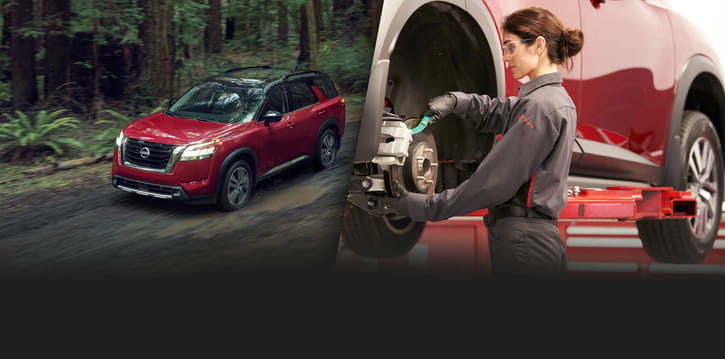
Next Stop: Adventure
Before your next expedition, schedule an appointment with our highly trained experts to have your braking system inspected and serviced. Your safety is our priority, and ensuring your Nissan has the stopping power it needs is essential for every journey ahead. Schedule Brake Service.
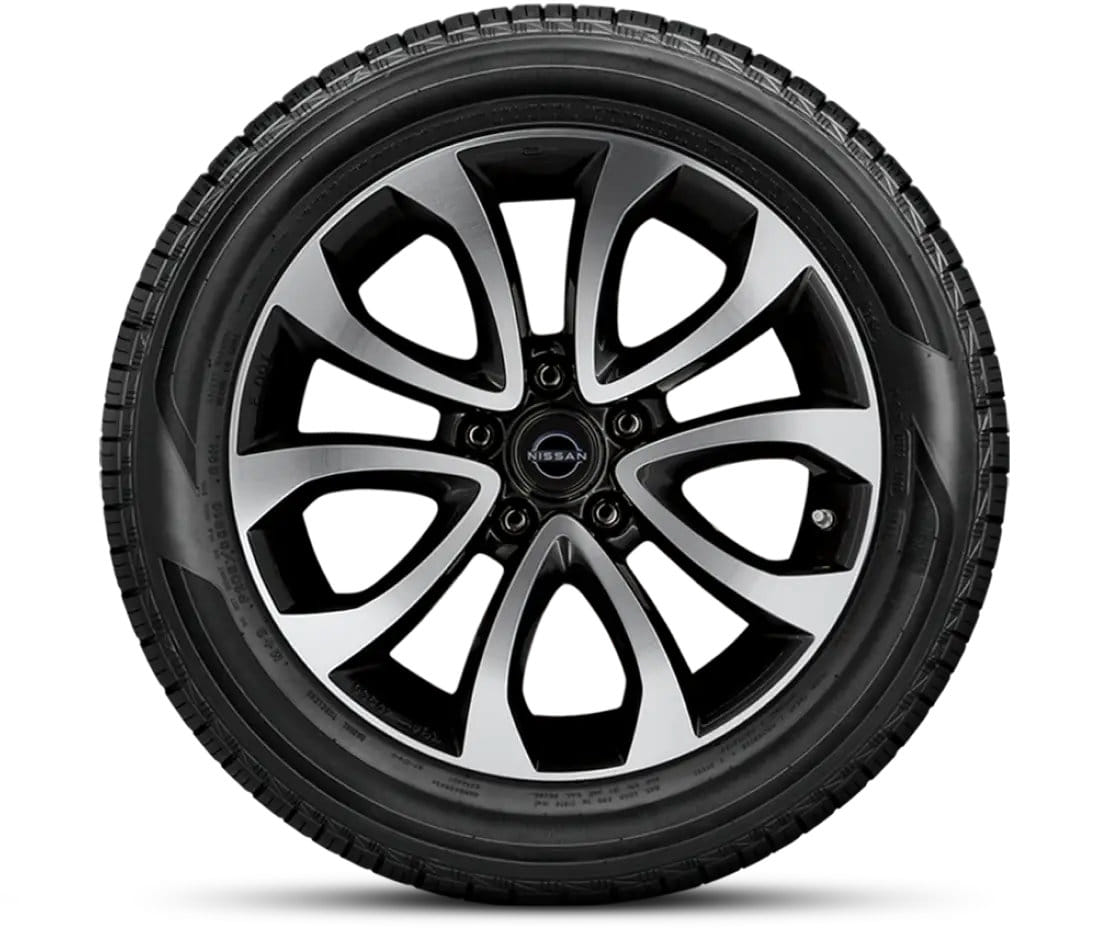
Nissan Tire Price Match + 5% Credit*
Keep your grip on the road with the right tires. Bring in an eligible competitor quote and we will match the price and provide an additional 5% credit on select eligible tires.
* Eligibility requirements apply.
Find Your Tires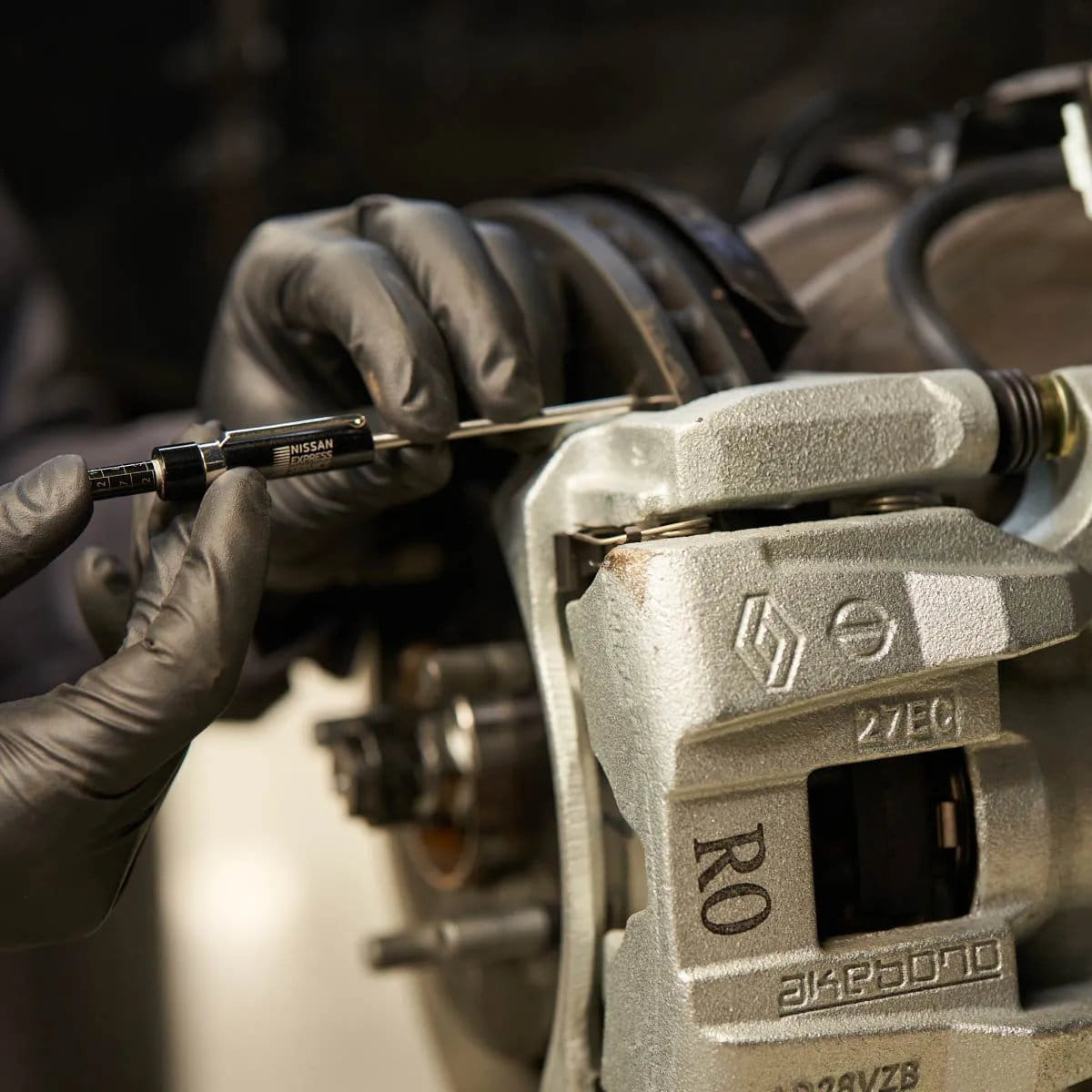
Top Four Signs Your Brakes Need Service
You can't overstate the importance of your braking system. If you experience any of the signs below, you should have your brakes inspected and serviced regularly by our factory-trained technicians.
- Your brake warning light is on
- Squealing or grinding noises when braking
- Your vehicle pulls to the side when applying brakes
- Longer stopping distances than normal
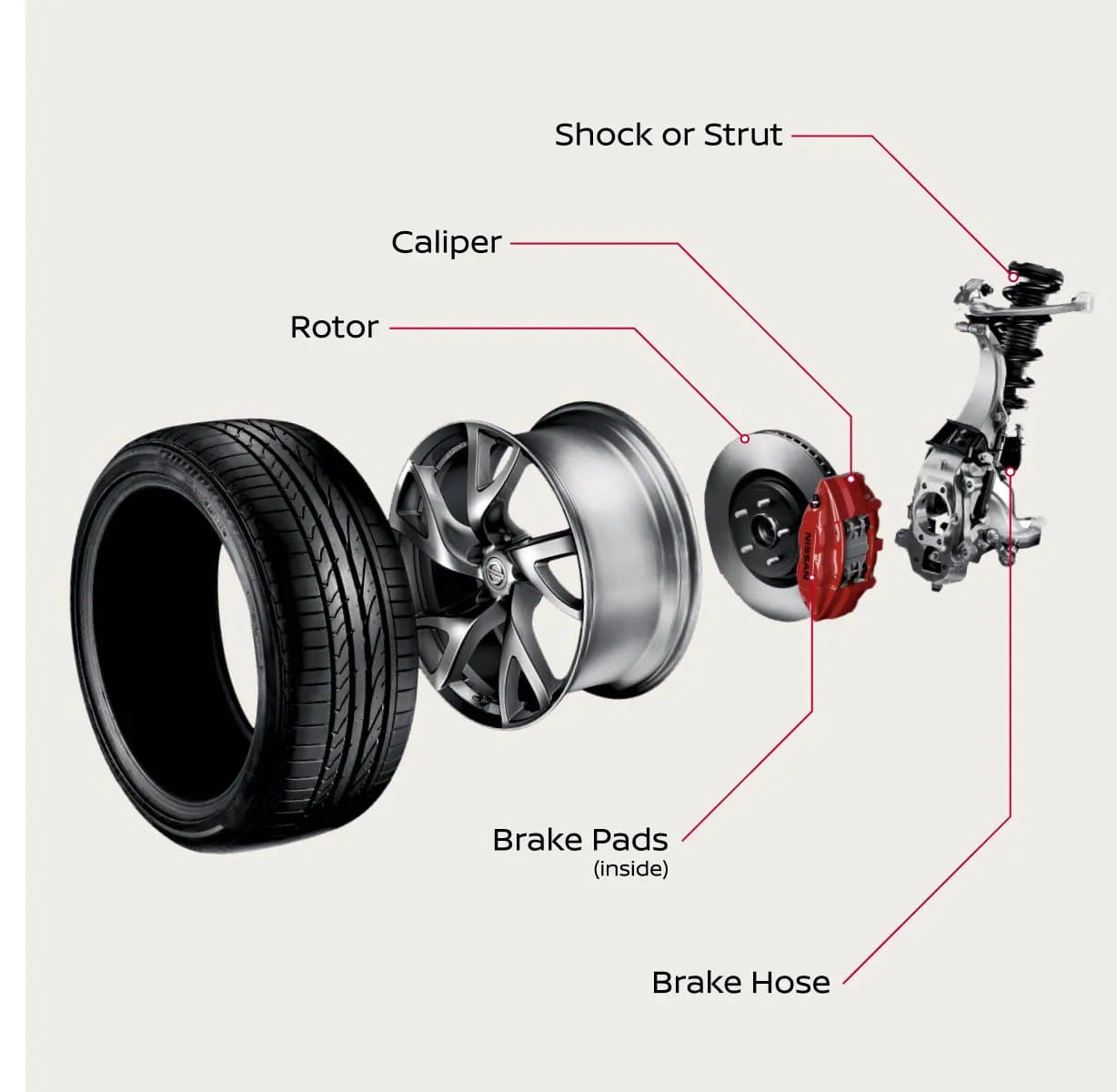
Do You Know the Parts of Your Brakes?
Because brakes are so important, it's a good idea to understand the moving parts. When you press your brake pedal, the brake pads create friction; in turn, the brake rotor disperses heat to keep the system from overheating. Both are essential and might need replacing at different times.
Learn More at ServiceNissan Brake Service FAQ
Question: How do I know when I need new brake pads?
Answer: Brake pads have wear indicators that produce a squeaking noise when they reach approximately 2mm of thickness. Our team performs a Multi-Point Inspection (MPI) during every visit to monitor your pad life.
Question: How do I know when I need new brake rotors?
Answer: Rotors have a specified “minimum thickness” marked on the casting. They should be replaced before reaching this limit and should not be machined below this thickness.
Question: Must I always turn or replace my rotors when changing my pads?
Answer: Every Nissan is unique. We recommend scheduling an appointment to have your rotors measured and inspected by a factory-trained expert.
Question: Why does my brake pedal pulse?
Answer: Pedal pulsation is typically caused by thickness variation in the rotor. This is corrected by turning (resurfacing) or replacing the rotors to ensure a smooth, flat surface for the pads.